Energy powers homes, transport, manufacturing, communication and public services. For generations, many countries have relied heavily on coal, oil and natural gas. Today, renewable energy technologies are expanding the range of options available for generating electricity and meeting energy needs.
Renewable energy comes from sources that are naturally replenished, including sunlight, wind, flowing water and geothermal heat. Bioenergy can also be renewable when its resources are managed sustainably.
The transition to renewable energy is not identical in every country. Geography, infrastructure, financing, technology and existing energy systems all influence which options are practical.
Understanding solar energy
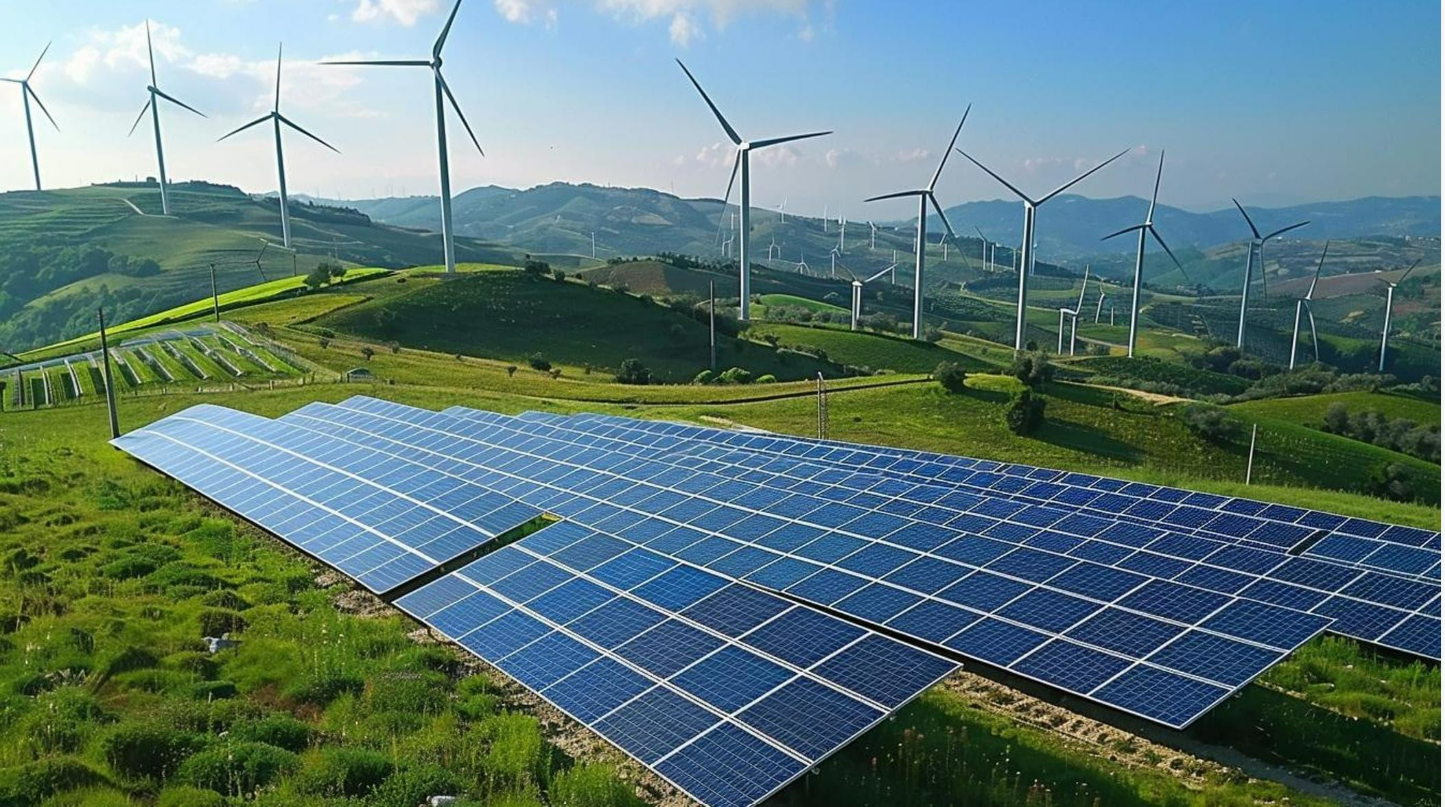
Solar panels convert sunlight into electricity, making them useful for homes, commercial buildings, public facilities and large power projects.
Their output depends on factors such as sunlight availability, panel orientation, shading, equipment quality and maintenance.
Solar energy can be particularly useful in locations with strong sunlight, although the economics of an installation also depend on equipment costs, financing and local electricity arrangements.
Systems may operate alongside the electricity grid or include batteries where suitable.
How wind power works
Wind turbines use moving air to generate electricity.
Large wind farms can supply power to electricity networks, while smaller installations may be appropriate in particular locations.
Wind resources vary considerably by geography and altitude. Suitable projects require assessments of wind patterns, land availability, environmental effects and grid connections.
Wind generation also varies with weather conditions, so electricity systems need ways to balance supply and demand.
The role of hydropower and geothermal energy
Hydropower generates electricity using moving water. Its output depends on water availability, infrastructure and environmental conditions.
Droughts can affect some hydropower systems, while dams and related projects can influence rivers, habitats and nearby communities.
Geothermal energy uses heat from beneath the Earth’s surface. It can provide electricity or direct heating in locations with suitable geological resources.
These technologies offer different advantages and limitations, so countries often consider several energy sources rather than relying on one solution.
Why energy storage matters
Solar and wind power do not generate electricity at a constant rate.
Batteries can store electricity for later use, while other approaches include pumped-storage hydropower, flexible electricity demand and alternative generation sources.
Storage can help manage changes in supply, but the appropriate solution depends on duration, cost, location and system requirements.
Electricity networks also need transmission infrastructure to move power from generation sites to consumers.
Economic opportunities and challenges
Renewable energy projects can create demand for engineers, technicians, installers, construction workers and maintenance services.
They may also reduce exposure to some fuel-price fluctuations, depending on the project and electricity market.
However, projects require capital, suitable equipment, reliable infrastructure and appropriate regulation. Benefits and costs can be distributed unevenly, particularly where communities experience land-use changes or environmental impacts.
Training and planning help ensure that workers and communities can participate in emerging opportunities.
Renewable energy and Kenya
Kenya has several renewable energy resources, including geothermal, wind, solar and hydropower.
The most suitable technology varies by location and use. Geothermal resources are particularly relevant in areas with suitable geological conditions, while solar systems may serve homes, businesses and remote facilities.
Expanding reliable electricity access also requires investment in distribution networks, maintenance, affordability and system planning.
Renewable energy should be assessed alongside reliability, environmental considerations and the needs of electricity consumers.
Environmental considerations
Renewable technologies generally offer opportunities to reduce emissions compared with fossil-fuel-based electricity generation, but their environmental effects are not zero.
Equipment manufacturing, land use, mining, construction and end-of-life disposal can create impacts.
Careful project selection, responsible sourcing, recycling and environmental assessment can help reduce these effects.
Conclusion
Renewable energy is changing how countries consider electricity generation, energy security and environmental responsibility.
Solar, wind, hydropower and geothermal technologies each have distinct strengths and limitations. Successful energy transitions require suitable infrastructure, careful planning, investment and reliable systems that meet people’s needs.