Water supports human health, food production, industry, sanitation and natural ecosystems. Although the planet contains a large amount of water, freshwater that is accessible and suitable for particular uses is unevenly distributed.
Some communities experience seasonal shortages, while others face pressure from population growth, pollution, infrastructure problems or changing weather patterns.
Water conservation involves using water carefully and protecting the systems that supply it. It is not only a household responsibility; agriculture, industry, public utilities and governments also influence water demand and availability.
Understand where water is used
Water is used in homes, farms, factories, offices, schools and public spaces.
Households may use it for drinking, cooking, cleaning, sanitation and gardening. Agricultural activities may require water for crops and livestock, while industries use it in production and cooling.
Understanding the main sources of demand helps identify where conservation efforts could have the greatest effect.
The appropriate measures depend on local conditions, the type of water supply and the intended use.
Repair leaks and maintain plumbing
Leaking taps, pipes and toilets can waste water over time.
Regular inspection helps identify problems before they become more expensive. Where a leak requires specialist work, a qualified plumber may be needed.
Businesses and institutions can also monitor water meters to identify unusual changes in consumption.
A sudden increase in water use may indicate a leak, equipment problem or change in operations that deserves investigation.
Use water more efficiently at home
Households can reduce unnecessary water use by turning off taps when water is not needed, using washing machines with appropriate loads and repairing faulty fittings.
Gardens can be watered at suitable times to reduce avoidable evaporation, depending on local conditions.
Water-saving devices may also help, but their suitability depends on the existing plumbing and water pressure.
Conservation should never compromise essential hygiene or access to safe drinking water.
Improve water management in agriculture
Agriculture is a major water user in many regions.
Farmers may improve efficiency through suitable irrigation scheduling, maintenance of irrigation equipment and practices that match water application to crop requirements.
Methods such as drip irrigation can reduce certain forms of water loss, but performance depends on design, maintenance, soil conditions and crop type.
Farmers also need reliable information about rainfall, water availability and crop needs before deciding which methods are appropriate.
Protect rivers, lakes and groundwater
Water conservation includes protecting water sources from pollution.
Poorly managed waste, industrial discharges and agricultural runoff can affect rivers, lakes and groundwater quality.
Preventing contamination may be more effective than attempting to restore a polluted source later.
Communities and businesses should follow relevant disposal requirements and report suspected pollution to the appropriate authorities.
Rainwater harvesting and storage
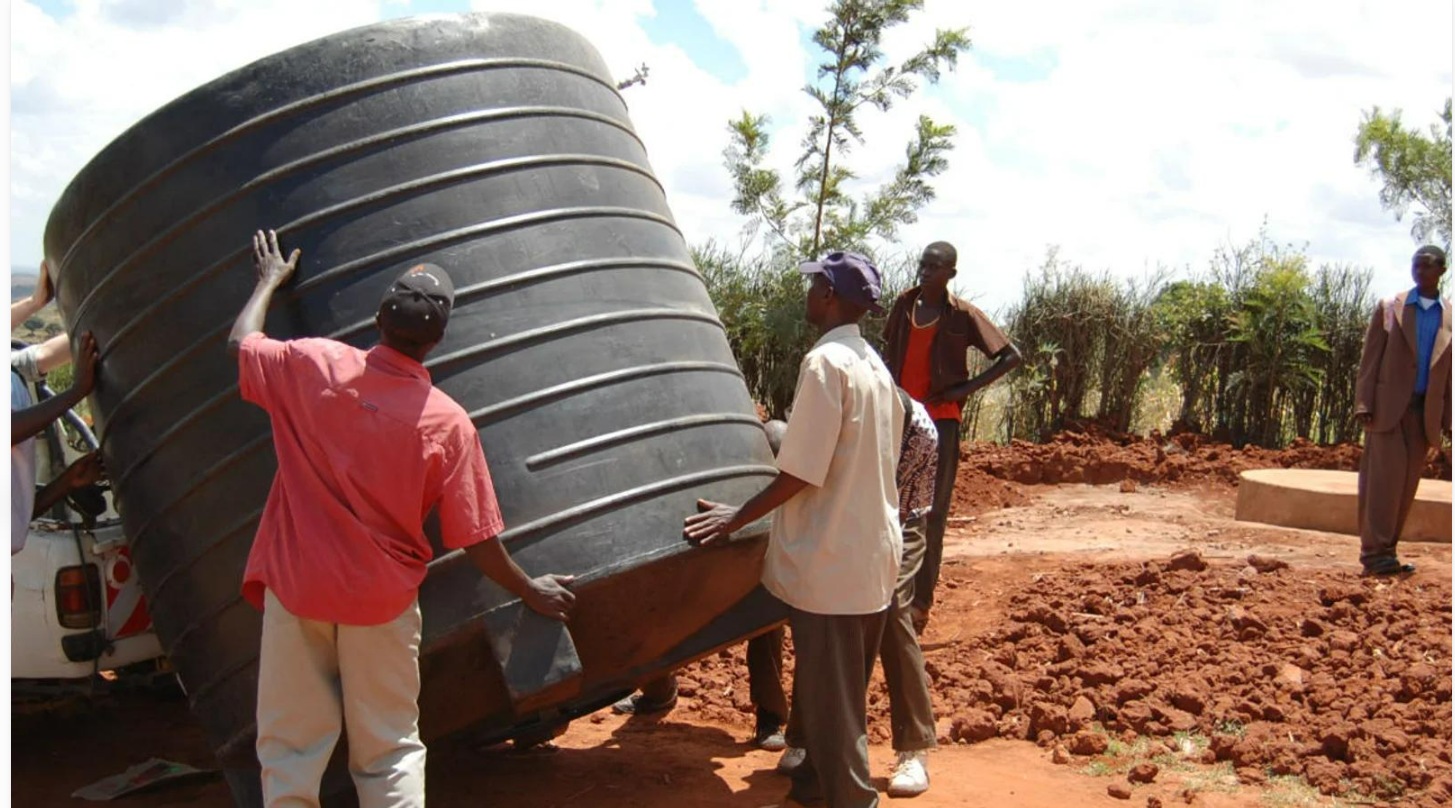
Where conditions and regulations permit, rainwater harvesting can provide water for certain uses.
Collected rainwater may be suitable for irrigation, cleaning or other non-drinking purposes, depending on the collection system and local guidance.
Storage systems should be designed to prevent contamination and mosquito breeding. Rainwater intended for drinking requires appropriate treatment and verification of safety.
Harvesting is also affected by rainfall patterns, storage capacity and the length of dry periods.
The role of public infrastructure
Reliable water access depends on more than individual conservation.
Water utilities and public authorities are responsible for important parts of treatment, distribution, monitoring and infrastructure maintenance.
Leak reduction, appropriate pricing structures, investment and public education can contribute to better water management when designed to suit local needs.
Policies should also consider affordability and access for vulnerable households.
Preparing for water shortages
Households and organisations can prepare by understanding local water advisories, identifying safe storage options and planning for periods of reduced supply.
Stored water should be kept in suitable containers and protected from contamination.
Businesses that depend heavily on water may need continuity plans that identify essential uses and alternative arrangements permitted by local rules.
Emergency measures should follow guidance from relevant public-health and water authorities.
Conclusion
Water conservation helps reduce waste and protect a resource essential to people, economies and ecosystems.
Households can improve efficiency, farmers can review irrigation practices, businesses can monitor consumption and public institutions can invest in reliable infrastructure.
Long-term water security depends on both responsible everyday habits and effective management of water sources and distribution systems.