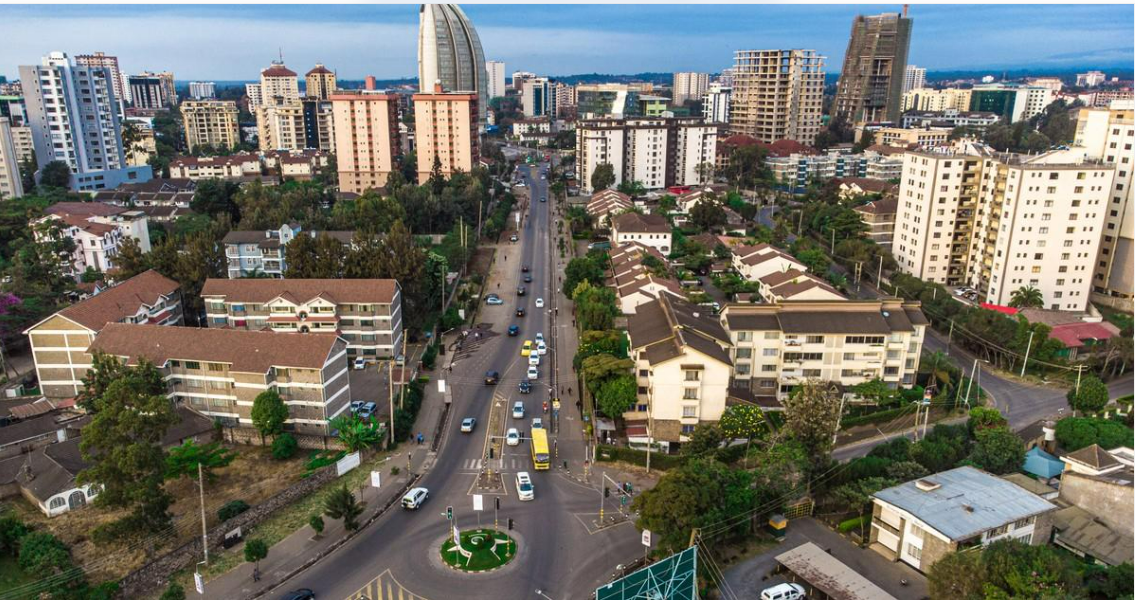
Cities attract people for many reasons, including employment, education, healthcare, business opportunities and access to public services. As urban populations grow, cities can become centres of innovation and economic activity, but they also face increasing demands on housing, transport and infrastructure.
Urbanisation refers to the growing proportion of a population living in urban areas. It can result from migration, natural population growth and the reclassification or expansion of settlements.
Understanding urbanisation helps explain why cities develop differently and why planning decisions can influence the quality of life of their residents.
Why people move to cities
Employment is one reason people move to urban areas. Cities may offer a wider range of formal jobs, informal business opportunities and professional networks.
Educational institutions and specialised health services can also attract residents from smaller towns and rural communities.
However, migration decisions are influenced by many factors, including household circumstances, environmental conditions and access to land or services.
Urban life does not guarantee higher income or better living conditions. Opportunities depend on skills, affordability, infrastructure and the availability of suitable work.
Housing and the cost of living
Growing populations increase demand for accommodation.
Where housing supply does not keep pace with demand, rents and property prices may rise. Some households may move farther from employment centres or live in housing with inadequate access to services.
Governments, developers and communities can respond through appropriate land-use planning, infrastructure investment and housing policies.
The effectiveness of these approaches depends on local economic conditions, financing, land regulations and implementation.
Transport and daily mobility
Urban growth can increase the number of people travelling to work, school, shops and public services.
When transport systems are inadequate, residents may experience long journeys, congestion and higher commuting costs.
Public transport, safe walking routes, cycling infrastructure and coordinated land-use planning can provide alternatives to dependence on private vehicles.
Transport decisions should consider accessibility, affordability, safety and the needs of people with disabilities.
Employment and entrepreneurship
Cities can create opportunities by bringing customers, workers, suppliers and institutions closer together.
Businesses may benefit from larger markets, while workers may have access to a wider range of occupations.
At the same time, urban labour markets can be competitive, and informal workers may face insecure incomes or limited access to social protection.
Economic development strategies are more inclusive when they consider the needs of different income groups and support opportunities for skills development.
Infrastructure and public services
Growing cities require reliable water supplies, sanitation, electricity, waste collection, schools, healthcare and emergency services.
If infrastructure expansion falls behind population growth, residents may experience shortages or unreliable service delivery.
Planning ahead can help authorities coordinate investment with expected demand.
Maintenance is equally important. New infrastructure provides limited long-term value if existing facilities are allowed to deteriorate.
Environmental challenges
Urban areas can face air pollution, waste-management problems, flooding and the loss of natural spaces.
The severity of these challenges depends on geography, infrastructure, industrial activity and planning decisions.
Well-designed green spaces, effective drainage, responsible waste management and efficient transport systems can contribute to more liveable urban environments.
Different solutions suit different cities, so planning should be informed by local evidence rather than copied without adaptation.
Technology and smarter cities
Digital systems can help cities monitor traffic, manage public services and provide information to residents.
Examples include transport information systems, digital service portals and tools for tracking infrastructure maintenance.
Technology should support clear public objectives rather than being adopted simply because it is new.
Authorities also need to consider cybersecurity, accessibility, privacy and whether residents can use the services being introduced.
Conclusion
Urbanisation creates both opportunities and challenges. Cities can support employment, education and innovation, but they also require adequate housing, transport, infrastructure and public services.
Effective planning considers how different groups experience urban growth and how investments can remain useful over time. The goal is not simply to make cities larger, but to make them more accessible, resilient and liveable.