Waste management is an everyday environmental challenge. Households, businesses, institutions and public authorities all generate waste, and the way it is handled can affect land, water, public health and the appearance of neighbourhoods.
Although large infrastructure and effective public services are important, communities can also contribute through better purchasing decisions, waste separation and responsible disposal.
The most effective approach depends on local collection systems, available recycling facilities and the types of waste being generated.
Understand the different types of waste
Household waste can include food scraps, paper, cardboard, plastic packaging, glass, metals, electronic equipment and potentially hazardous materials.
Different materials require different handling methods. Some can be reused or recycled, while others may need specialised collection or safe disposal.
Before separating waste, check what local collection services actually accept. A material marked as recyclable is not necessarily accepted by every recycling facility.
Incorrectly sorting materials can contaminate collections and make processing more difficult.
Reduce waste before it is created
Preventing waste is often more practical than dealing with it after it has been generated.
Households can plan purchases, choose durable products, repair suitable items and avoid buying unnecessary quantities.
Businesses can review packaging, purchasing practices and inventory management to reduce discarded materials.
For food, planning meals around existing ingredients and storing items appropriately can help prevent avoidable spoilage.
These measures can also reduce costs, although the benefits depend on individual circumstances and local product availability.
Reuse suitable items
Reusable bags, containers and household equipment can reduce the need for some disposable products.
Before discarding an item, consider whether it can be safely repaired, donated or used for another suitable purpose.
Reuse should not compromise hygiene or safety. Damaged electrical equipment, contaminated containers and other hazardous items may require specialised handling rather than ordinary reuse.
Donated belongings should be clean, functional and appropriate for the intended recipient.
Understand how recycling works
Recycling involves collecting and processing suitable materials so that they can be used in manufacturing or other productive applications.
Its effectiveness depends on the material, collection arrangements, contamination levels, processing capacity and demand for recycled products.
Households can help by following local sorting instructions and keeping unsuitable materials out of recycling containers.
Where recycling services are limited, reducing consumption and reusing suitable items may be more practical than assuming every material can be recycled locally.
Organise community clean-up activities
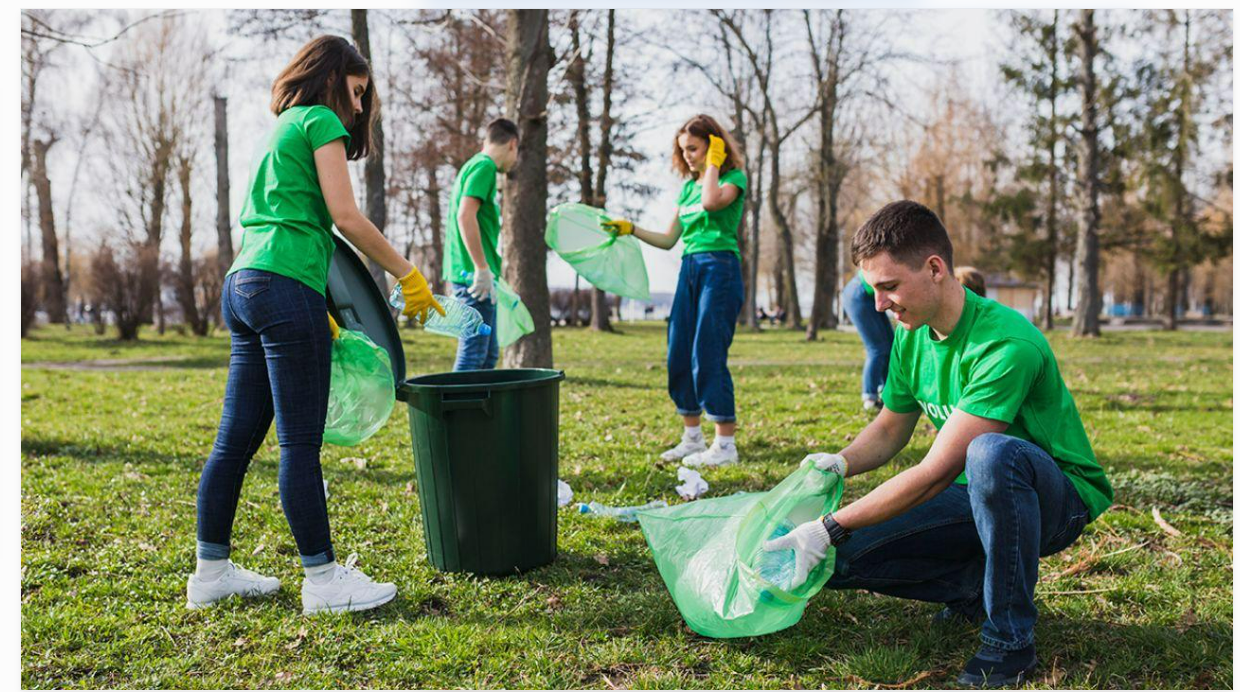
Community clean-ups can improve shared spaces and draw attention to waste-management problems.
A successful activity begins with a clear location, suitable equipment, permission where required and a safe method for collecting and disposing of the waste.
Organisers should avoid asking untrained volunteers to handle sharp objects, medical waste, chemicals or unknown hazardous materials.
Children should not be assigned dangerous collection tasks, and participants should use appropriate protective equipment.
A clean-up is more effective when combined with measures that address the source of recurring litter.
Improve waste management in schools and businesses
Schools and workplaces can make waste reduction part of everyday operations.
They may provide clearly labelled collection points, reduce unnecessary printing, purchase supplies in suitable quantities and explain the correct disposal process to users.
Businesses should ensure that waste arrangements match the requirements of their operations. Electronic waste, batteries, chemicals and certain industrial materials may need authorised specialist handling.
Simple monitoring can help organisations identify which materials are being discarded most frequently and where improvements are possible.
Protect waterways and public spaces
Discarded waste can block drainage systems and contribute to pollution when carried into rivers, lakes and coastal environments.
Keeping rubbish out of drains and waterways is therefore an important community responsibility.
Residents should report recurring dumping or blocked public drainage through the relevant local channels. Waste should not be burned or dumped in unsuitable locations as a substitute for proper disposal.
Local authorities and service providers also play a central role in providing collection services and maintaining public infrastructure.
Teach environmental responsibility through practical action
Environmental education becomes more meaningful when people can see how everyday choices affect their surroundings.
Schools can organise suitable waste audits, community projects and educational activities. Households can involve family members in sorting waste and planning purchases.
Activities should explain not only what to do but why the practice is useful and what limitations apply.
Avoid promising that one small action will solve a large environmental problem. Individual habits work best alongside effective systems, responsible businesses and public policy.
Conclusion
Reducing waste requires a combination of prevention, reuse, appropriate recycling and safe disposal.
Households and communities can make progress by understanding local waste services, purchasing thoughtfully and preventing rubbish from entering public spaces and waterways.
Long-term improvement also depends on reliable infrastructure, clear guidance and cooperation between residents, businesses and public authorities.