Every community has traditions, stories, values, creative practices and ways of expressing its identity. These differences help make the world diverse, but they can also create misunderstandings when people have limited opportunities to learn about one another.
Cultural exchange provides a way for people to share experiences and understand unfamiliar perspectives. It can happen through travel, education, food, music, sport, literature and ordinary conversations.
Meaningful exchange does not require people to abandon their identities. Instead, it creates opportunities to learn while respecting the differences that make communities distinctive.
What is cultural exchange?
Cultural exchange occurs when people from different cultural backgrounds share knowledge, practices, experiences or creative work.
A student studying abroad may learn about another country’s education system and daily routines. An artist collaborating with international colleagues may discover different approaches to music or design.
Cultural exchange can also take place within a single country. People from different regions, languages or communities can learn from one another without travelling internationally.
The most valuable exchanges involve listening, curiosity and respect rather than assuming that one culture is superior to another.
How food introduces people to different cultures
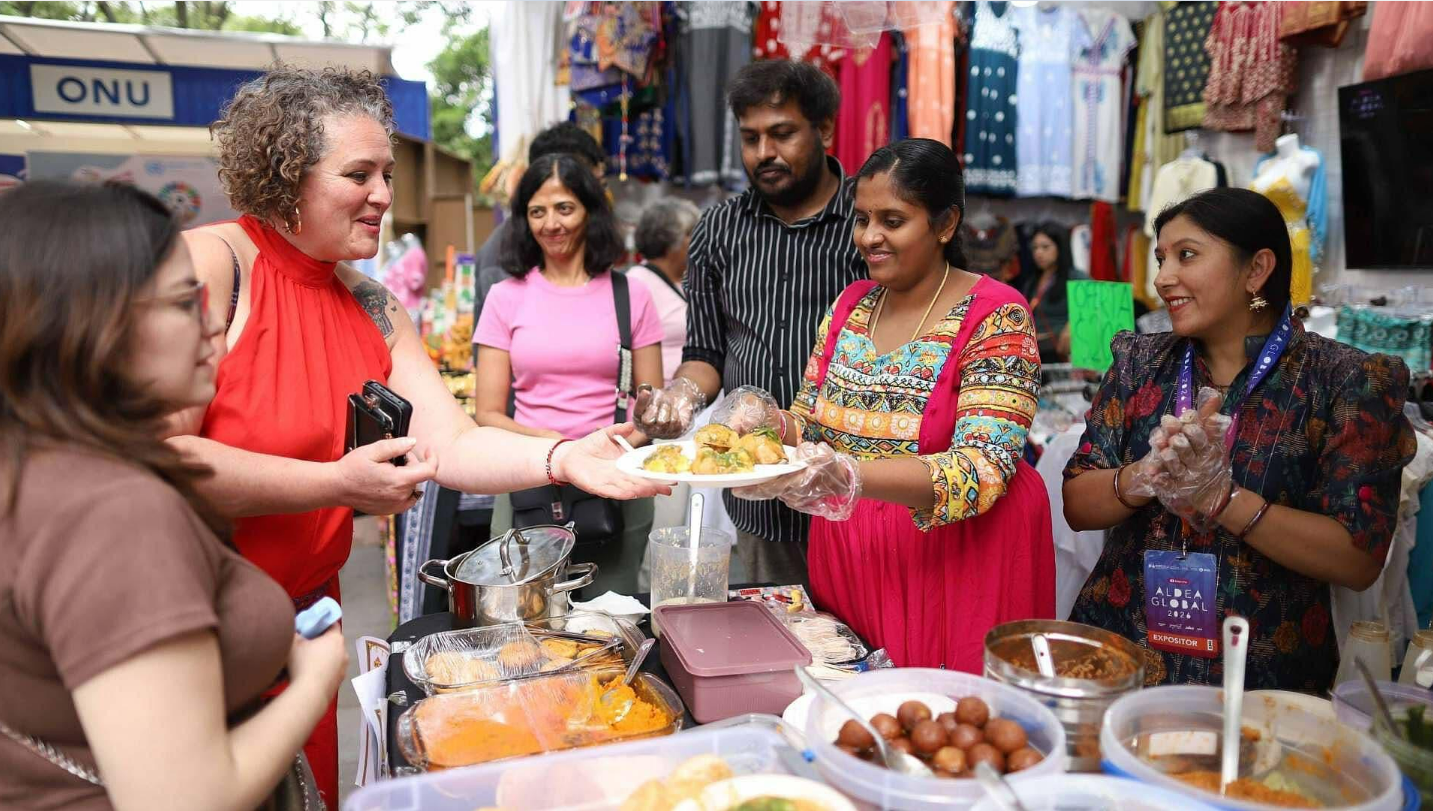
Food is often one of the easiest ways to explore another culture.
Traditional dishes may reflect local ingredients, agricultural conditions, historical trade and family traditions. Preparing or sharing a meal can create opportunities to discuss these influences.
For example, visitors to Kenya may encounter regional variations in food preparation and ingredients, while Kenyan travellers can discover different culinary traditions abroad.
It is important to recognise that no single dish represents an entire country. Food practices vary between regions, families and generations.
The role of music, film and literature
Creative work allows people to encounter experiences beyond their immediate surroundings.
Music can communicate emotion and identity even when listeners do not understand every word. Films and novels can introduce audiences to historical events, social conditions and personal experiences from unfamiliar settings.
These works can challenge stereotypes, but they should not be treated as complete representations of a society. Individual creators have their own perspectives and experiences.
Exploring several voices from a culture can provide a more balanced understanding than relying on one popular film or book.
Education and student exchanges
Educational partnerships can expose learners to different teaching methods, research approaches and social environments.
Students who study in another region or country may develop communication skills and learn to navigate unfamiliar systems. They may also bring new perspectives back to their home institutions.
Successful exchanges require preparation, appropriate support and respect for the host community. Participants should learn about local expectations and avoid treating people as attractions rather than individuals.
Travel as a learning opportunity
Travel can provide direct experience of different ways of living.
Visitors can learn by using local transport, exploring museums, speaking with residents and understanding how communities organise public spaces.
Responsible travel also involves considering environmental effects, respecting religious and cultural practices, and following local rules.
Travellers should seek permission before photographing people in situations where consent is appropriate and avoid assuming that every individual wishes to explain their culture to visitors.
Digital technology and cultural exchange
Video calls, online learning platforms and social media allow people to connect across borders without travelling.
Students can collaborate on projects, artists can share their work with international audiences, and language learners can practise with people who speak the language naturally.
However, online interactions can also spread stereotypes or remove context from cultural practices. Short videos may show only a small part of a tradition.
Users should look for reliable explanations, consult multiple perspectives and approach unfamiliar practices with curiosity rather than immediate judgement.
Cultural exchange and economic opportunities
Cultural exchange can support creative industries, tourism, education and international collaboration.
Artists may reach new audiences, local businesses may introduce products to new markets, and educational institutions may develop partnerships.
These opportunities should be pursued in ways that respect creators and communities. Traditional designs, stories and cultural knowledge should not be copied or commercialised without appropriate consideration of ownership, consent and benefit-sharing.
How to participate respectfully
Anyone can begin learning about another culture through books, community events, language lessons, museums and conversations.
Useful habits include asking respectful questions, listening without interruption, avoiding sweeping generalisations and acknowledging when you do not know something.
When a person corrects a misunderstanding, consider the explanation instead of immediately becoming defensive.
Respectful exchange also means accepting that individuals within a culture may disagree about traditions and how they should change.
Conclusion
Cultural exchange creates opportunities for people to learn about different histories, traditions and experiences. Through education, travel, food, music and digital communication, individuals can develop broader perspectives and build relationships across communities.
The process works best when participants approach one another with respect, curiosity and a willingness to learn. Cultural understanding does not eliminate every disagreement, but it can make conversations more informed and constructive.