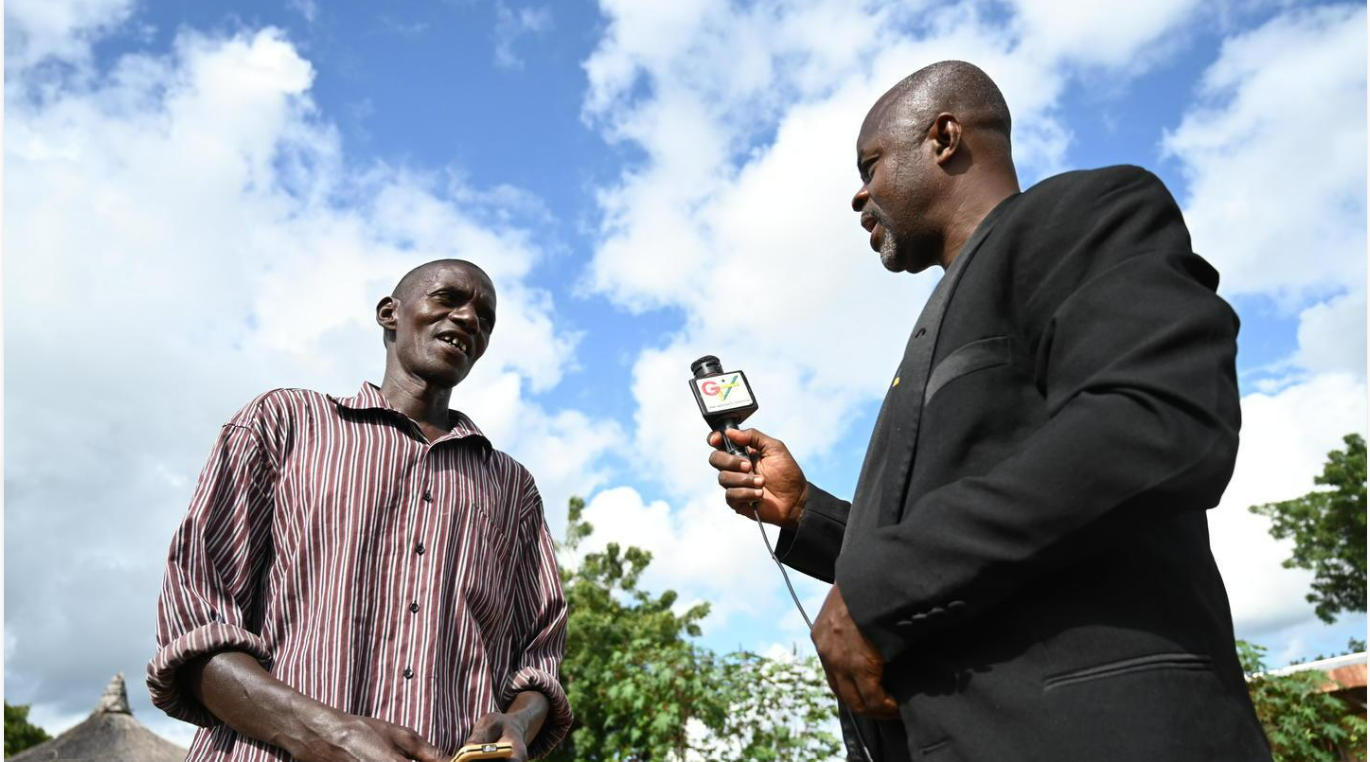
News influences how people understand public decisions, community concerns, economic developments and international events. It helps readers learn about matters that may affect their daily lives, even when they cannot witness those events personally.
In a world where information travels rapidly across digital platforms, responsible journalism remains important. Its value lies not simply in publishing information quickly, but in helping the public understand what happened, why it matters and what evidence supports the report.
What is responsible journalism?
Responsible journalism involves gathering, verifying and presenting information with accuracy, fairness and accountability.
Journalists may interview witnesses, examine documents, attend public meetings, analyse data and consult subject experts. They then assess the available evidence before deciding what can reasonably be reported.
A responsible report distinguishes confirmed facts from allegations, estimates and opinions. Where significant uncertainty remains, that uncertainty should be communicated clearly.
Informing the public about important developments
News reporting helps people understand developments in government, education, healthcare, business, transport and other areas of public interest.
For example, a report about a change in school policy can explain what has changed, who is affected and when the change is expected to take effect.
Without clear reporting, members of the public may struggle to distinguish official information from rumours or incomplete explanations.
Good journalism also provides context. Reporting a single statistic without explaining how it was calculated or how it compares with previous figures may leave readers with an inaccurate impression.
Holding institutions accountable
Journalism can examine how organisations use public resources, implement policies and respond to public concerns.
Investigative reporting may involve reviewing records, interviewing multiple sources and examining evidence that is not immediately available to the public.
Such work can reveal problems that deserve further investigation or public discussion. However, journalists must take care not to present unverified allegations as established facts.
Fair reporting gives relevant parties a reasonable opportunity to respond to serious claims and explains the evidence supporting the report.
Giving communities a voice
Local journalism can bring attention to issues that receive little coverage in national or international media.
These may include water access, road conditions, waste collection, public transport, local education initiatives or community development projects.
Reporting these issues can help residents understand the circumstances of their area and identify the institutions responsible for addressing particular concerns.
Community reporting should also respect the dignity and privacy of people who share their experiences, particularly children and vulnerable individuals.
Why fact-checking matters
Publishing an incorrect claim can damage reputations, create unnecessary fear or lead people to make poor decisions.
Journalists can reduce this risk by checking documents, confirming dates, seeking corroboration and carefully reviewing quotations before publication.
If a significant error is discovered after publication, a transparent correction helps readers understand what was wrong and what the accurate information is.
Fact-checking is not only a task for journalists. Readers also have a role in evaluating the information they consume and share.
Balancing speed with accuracy
Digital platforms reward rapid publication, and newsrooms may face pressure to report events as they unfold.
Nevertheless, speed should not replace verification. When information is incomplete, a responsible report can state what is known, identify what remains unconfirmed and explain that further information is being sought.
Updates should make meaningful changes clear rather than silently altering a report in ways that confuse readers.
Journalism in the digital age
Online publishing allows news organisations to reach readers through websites, newsletters, mobile applications and social media.
It also creates challenges, including manipulated content, impersonation, misleading headlines and the rapid spread of unverified claims.
Digital tools can support research, transcription and data analysis, but editorial responsibility remains essential. Human review, source verification and transparent correction practices help protect the quality of published work.
How readers can support responsible journalism
Readers can make more informed choices by consulting publications that identify their sources, distinguish fact from opinion and correct errors transparently.
When reading a report, examine whether the evidence supports the headline and whether relevant perspectives are represented fairly.
Readers should also avoid judging an entire publication on the basis of a single headline or social media excerpt without examining the original report.
Conclusion
Responsible journalism contributes to an informed society by providing verified information, examining matters of public interest and explaining developments with appropriate context.
Its credibility depends on accuracy, fairness, transparency and accountability. In return, readers can support better information standards by checking sources, reading beyond headlines and correcting misinformation when they encounter it.