A business may attract customers, make sales and even report a profit while still struggling to pay its bills. This can happen when money enters the business later than expected but expenses must be paid immediately.
Cash flow management helps business owners understand when money is expected to arrive, when payments are due and whether enough funds will be available to cover operating needs.
It is particularly important for small businesses that have limited financial reserves or rely on a small number of customers.
What is cash flow?
Cash flow refers to the movement of money into and out of a business over a period.
Money entering the business may come from customer payments, sales, owner contributions, loans or other sources. Money leaving may cover rent, salaries, stock, utilities, transport, taxes and supplier invoices.
Profit and cash flow are related but different.
For example, a business may complete a KSh 100,000 project and record revenue, but if the customer will pay in 30 days, that money may not be available today to cover expenses.
The timing of receipts and payments therefore matters.
Prepare a cash flow forecast
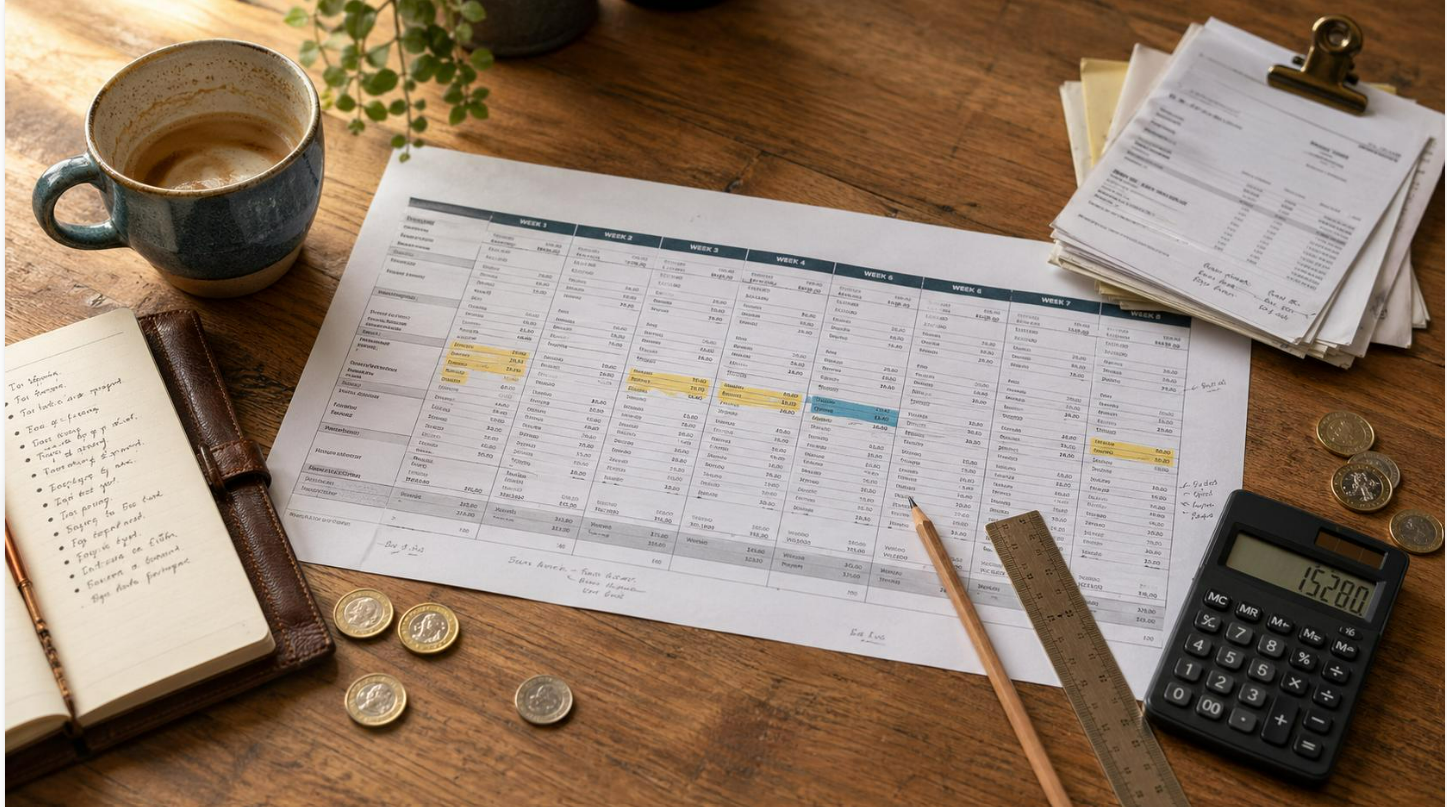
A cash flow forecast estimates the money expected to enter and leave the business during a future period.
Begin with the cash currently available. Add expected receipts according to realistic payment dates, then subtract anticipated expenses according to when they must be paid.
A simple forecast might cover the next four to twelve weeks, depending on the business’s circumstances.
Avoid treating every sales opportunity as guaranteed income. Distinguish between confirmed payments, issued invoices and enquiries that may never become sales.
Review the forecast regularly as circumstances change.
Follow up on unpaid invoices
Late customer payments can put pressure on a business even when its products or services are selling.
Set clear payment terms before work begins. Issue accurate invoices promptly, record due dates and follow up professionally when payments become overdue.
Where appropriate, agree on deposits or milestone payments for projects that require substantial upfront spending.
Before offering credit, consider the customer’s payment history, the size of the transaction and the financial effect of a delay.
Payment terms should be communicated clearly and applied consistently.
Control operating expenses
Review recurring expenses to determine whether they support essential operations or produce sufficient value.
Possible areas to examine include subscriptions, utilities, delivery arrangements, office costs and purchasing practices.
Reducing costs does not always mean choosing the cheapest supplier. Poor-quality materials or unreliable services can create greater expenses later.
Compare total costs, quality, delivery reliability and the consequences of a supplier failing to meet expectations.
Manage inventory carefully
Businesses that hold stock need to balance availability against the cost of keeping goods in storage.
Excess inventory ties up money that might be needed for rent, salaries or other obligations. Too little inventory can lead to missed sales and disappointed customers.
Use sales records to identify fast-moving products, slow-moving stock and items that have remained unsold for too long.
Reordering decisions should account for supplier lead times, demand patterns, storage costs and the risk of stock becoming obsolete.
Plan for seasonal changes
Some businesses experience predictable increases and decreases in sales.
A retailer may sell more during certain holidays, while a service provider may experience quieter periods during particular months.
Review previous sales data where available and identify periods when cash reserves may come under pressure.
Prepare for these periods by managing stock purchases, planning marketing activities and avoiding unnecessary commitments based on temporary increases in revenue.
Past patterns are useful indicators, but they do not guarantee future performance.
Build a cash reserve when possible
A cash reserve can help a business manage temporary disruptions, delayed customer payments or unexpected expenses.
The appropriate amount depends on the stability of revenue, fixed costs, access to credit and the nature of the business.
Build reserves gradually when cash flow permits. Avoid locking away money that is needed for near-term obligations.
If a business is already struggling, prioritise understanding its immediate commitments and identifying realistic ways to improve collections and manage spending.
Use financial records to make decisions
Maintain records of sales, expenses, debts, invoices and payments.
Accounting software can help organise these records, but a well-maintained spreadsheet may be sufficient for a very small operation.
Review actual results against forecasts to identify recurring gaps. If expenses consistently occur earlier than customer payments, consider whether payment terms, purchasing arrangements or project scheduling need adjustment.
For tax and accounting obligations, use reliable records and seek qualified advice where needed.
Recognise warning signs early
Warning signs can include repeatedly borrowing to pay ordinary expenses, overdue supplier balances, frequent payment delays or an inability to meet payroll.
These problems should be investigated before they become more severe.
Review outstanding debts, contact creditors where appropriate and consider professional financial advice. Taking on additional borrowing without understanding the underlying cash-flow problem may make the situation worse.
Conclusion
Cash flow management helps small businesses plan payments, maintain operations and respond to financial uncertainty.
By forecasting receipts and expenses, following up on invoices, managing inventory and maintaining accurate records, owners can make better-informed decisions.
The goal is not simply to increase sales. It is to ensure that money is available when the business needs it.